
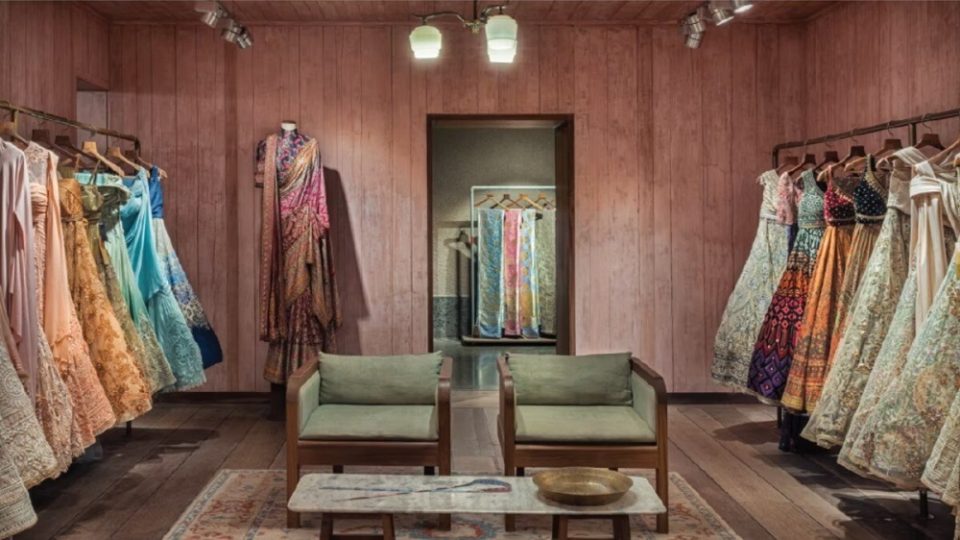
Mass-market fashion has created an era of unprecedented uniformity. Walk into major department stores across the country, and you will encounter identical color palettes, standardized patterns, and derivative silhouettes produced by algorithm-driven forecasting. While this industrial model delivers affordability and speed, it often strips clothing of its emotional connection and distinct character.
Boutique design stands as the antidote to mass production. Independent designers and small-batch ateliers focus on artistic integrity, bespoke craftsmanship, and distinct narratives. Choosing boutique fashion is not simply an aesthetic preference; it is a conscious declaration of identity and a rejection of generic dressing.
The Cultural Rise of Independent Boutiques
The resurgence of boutique shopping reflects a broader cultural shift toward intentional consumption. Consumers increasingly view their wardrobes as curated collections of wearable art rather than disposable consumer goods.
Boutique studios operate outside the punishing timelines of traditional fashion weeks and micro-trend cycles. Free from corporate shareholder pressure, independent designers take creative risks, experiment with complex patterns, and work with unconventional textiles. This creative liberty results in garments that celebrate personal uniqueness, allowing wearers to showcase their authentic personality without uttering a single word.
Defining Elements of Boutique Fashion
Independent apparel differs from industrial clothing in several fundamental areas. Understanding these distinctions helps shoppers appreciate the inherent value of small-scale design.
-
Limited-Run Production: Boutique collections often produce fewer than one hundred units per design, ensuring that you will rarely encounter someone else wearing the exact same piece.
-
Artisanal Craftsmanship: Techniques like hand-embroidery, screen printing, custom dyeing, and hand-stitched detailing are standard practices in boutique production.
-
Unconventional Textiles: Small labels frequently source deadstock fabrics, hand-woven linens, raw silks, and sustainable plant fibers that large manufacturers deem cost-prohibitive.
-
Thoughtful Pattern Construction: Independent patternmakers prioritize distinct cuts, asymmetrical lines, and adjustable fastenings that drape naturally on diverse body types.
How Boutique Designs Express Personal Uniqueness
Clothing serves as an intimate form of self-expression. Boutique designs empower personal expression across several distinct dimensions.
Structural and Architectural Silhouettes
Industrial clothing relies on simple, boxy templates designed to minimize fabric waste on automated cutting tables. Independent designers, by contrast, treat fabric as a sculptural medium.
-
Asymmetrical Cuts: Uneven hems, slanted necklines, and off-center button placements break conventional visual lines, creating dynamic energy.
-
Volume and Movement: Billowing sleeves, pleated panels, and cocoon silhouettes move fluidly with the wearer, commanding space and attention.
-
Deconstructed Tailoring: Boutique blazers and jackets often feature raw-edge seams, exposed internal canvas, or removable elements that allow for multiple styling variations.
Narrative-Driven Prints and Textures
When an independent creator drafts a textile pattern, it typically stems from a personal story, local heritage, or artistic movement rather than a commercial trend report.
-
Hand-Drawn Motifs: Boutique prints frequently feature original illustrations, painterly brushstrokes, or hand-blocked patterns that retain charming, human irregularities.
-
Textural Layering: Combining contrasting textures such as crisp raw linen against soft washed silk creates tactile interest that flat fabrics cannot achieve.
-
Heritage Techniques: Many boutique studios collaborate with indigenous artisan communities, incorporating centuries-old weaving, block printing, or natural indigo dyeing methods into contemporary garments.
Ethical Integrity and the Value of Slow Fashion
Individuality in fashion is deeply connected to ethics. Wearing a garment produced in an exploitative, opaque supply chain conflicts with conscious self-expression. Boutique labels provide transparent alternatives that align with individual values.
-
Sustainable Fabric Choices: Small studios lead the industry in sourcing organic cotton, recycled wool, Tencel, and deadstock textiles salvaged from luxury design houses.
-
Fair Living Wages: Direct oversight ensures that garment workers, pattern cutters, and seamstresses receive equitable compensation for their labor.
-
Zero-Waste Commitments: Small-batch producers cut patterns efficiently, repurposing textile scraps into accessories, patchwork details, or lining materials.
The Art of Curating a Boutique-Centric Wardrobe
Building a distinctive wardrobe around independent labels requires a deliberate and selective approach. Rather than overhauling your closet all at once, focus on gradual, high-impact additions.
-
Invest in Anchor Statement Pieces: Use boutique garments as the focal point of your outfit, such as a hand-dyed chore jacket, an architectural coat, or an embroidered midi skirt.
-
Mix Boutique with Elevated Basics: Pair expressive boutique pieces with well-made neutral staples like classic raw denim, white t-shirts, or tailored black slacks.
-
Embrace Made-to-Order Models: Many independent designers create garments upon order. Embracing this waiting period fosters a deeper appreciation for the garment making process.
-
Prioritize Long-Term Care: Because boutique garments utilize natural fibers and artisanal construction, wash them using gentle detergents, air-dry them, and store them on structured hangers.
The Emotional Connection of Wearing Unique Clothing
Mass-produced clothing often feels anonymous. In contrast, acquiring a garment directly from a maker or an independent boutique creates a lasting narrative.
Knowing the background of the textile, the inspiration behind the cut, and the identity of the person who stitched the seams transforms clothing from a simple necessity into a meaningful personal artifact. When your clothing tells a story, you wear it with distinct confidence, standing out effortlessly in any crowd.
Frequently Asked Questions
How do I discover reputable independent clothing boutiques and designers?
Look for curated artisan markets, independent multi-brand concept stores in creative arts districts, and online platforms dedicated to slow fashion. Exploring design school graduate showcases and following independent fashion collectives on social media also reveals emerging design talent.
Are boutique garments always more expensive than high-end department store brands?
Not necessarily. While boutique clothing costs more than fast fashion due to ethical labor and higher fabric quality, it is often priced comparably to or lower than mainstream designer labels. Because boutique brands do not spend heavily on global marketing campaigns, your money goes directly into materials and craftsmanship.
How does sizing work for small-batch boutique labels compared to standard retail sizing?
Boutique sizing often varies because independent designers develop custom size charts rather than using generic commercial templates. Always check specific garment measurements, such as bust, waist, hip, and length dimensions, before purchasing, or reach out directly to the studio for personalized sizing advice.
What is the return policy standard among small independent boutiques?
Due to limited inventory and made-to-order production models, independent boutiques often have stricter return windows than mass retailers, frequently offering store credit or size exchanges rather than full refunds. Reviewing the return policy prior to purchase ensures smooth transactions.
Can boutique statement pieces work in traditional corporate work environments?
Yes. You can integrate boutique pieces into conservative environments by balancing them with structured, understated basics. A boutique blouse featuring a subtle artisanal collar or an architectural blazer in a neutral shade adds distinct individuality while maintaining professional decorum.
How do independent designers handle garment customization?
Many boutique creators offer made-to-measure options, hem adjustments, or custom color choices upon request. Because their production lines are small and agile, independent artisans can easily alter patterns to accommodate individual customer proportions.
Why do boutique collections often sell out so quickly?
Small-batch studios purposely source limited quantities of fabric, particularly when using deadstock or vintage materials. Once that specific textile supply is exhausted, the design cannot be replicated, which naturally limits production volume and maintains exclusivity.
