
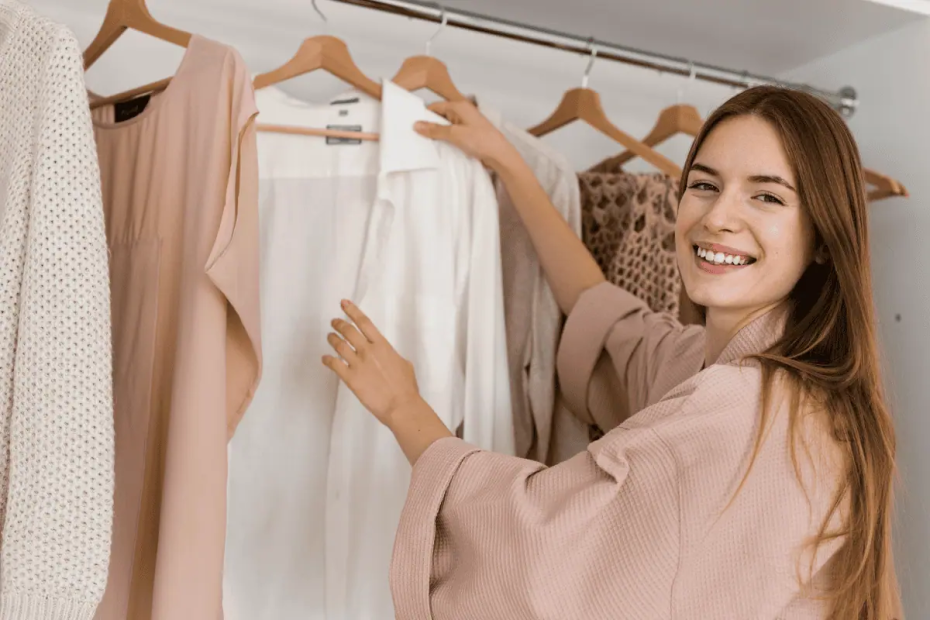
Clothing serves as one of the most immediate forms of nonverbal communication. Long before you speak a word, your wardrobe shares information about your personality, aesthetic preferences, and daily lifestyle. While trends come and go at breakneck speed, true personal style remains rooted in authenticity, comfort, and intentional selection.
Developing a signature look is not about copying a mannequin or adopting every viral trend. Instead, it involves understanding how different cuts, fabrics, colors, and textures align with who you are. When you curate an intentional wardrobe, getting dressed becomes an empowering daily ritual rather than a stressful chore.
The Foundation of Personal Style
Personal style begins with self-awareness. It requires an honest evaluation of your daily routine, your physical comfort requirements, and the visual elements that make you feel confident. A wardrobe full of formal tailoring makes little sense for someone working remotely in a creative field, just as a closet dominated by loungewear will not support a career in corporate law.
Identifying your stylistic preferences helps filter out unnecessary purchases and eliminates the paradox of having a full closet yet nothing to wear. By understanding the core tenets of silhouette, color, and textile quality, you can build an authentic collection of apparel that lasts for years.
Core Elements That Define Personal Style
Every outfit is composed of distinct variables that work together to create a unified aesthetic. Understanding these foundational components allows you to make deliberate choices that mirror your unique point of view.
-
Silhouette and Fit: The shape of your garments dictates how your outfit is perceived. Loose, relaxed draping suggests ease and artistic sensibility, while sharp, tailored edges project authority, precision, and formality.
-
Color Palette: The colors you gravitate toward set the emotional tone of your appearance. A monochromatic neutral wardrobe conveys minimalism and elegance, while saturated tones and bold contrasts communicate energy, warmth, and creativity.
-
Textile and Material Quality: The tactile nature of your clothes speaks volumes. Natural fibers like crisp linen, heavy raw denim, plush cashmere, and breathable cotton signal an appreciation for longevity, comfort, and craftsmanship.
-
Patterns and Prints: Subtle patterns like pinstripes or houndstooth evoke classic tailoring, while vibrant abstracts or florals highlight an adventurous spirit.
Navigating Different Style Archetypes
Most individuals blend elements from various design traditions rather than adhering to a single rigid category. However, understanding classic style archetypes offers a valuable roadmap for defining your preferences.
Classic Tailored Style
Classic dressers prioritize clean lines, timeless cuts, and structured garments. Their wardrobes rely on enduring staples that outlive seasonal fashion cycles.
-
Key Wardrobe Pieces: Structured blazers, crisp button-down shirts, tailored wool trousers, pencil skirts, and trench coats.
-
Color Schemes: Navy blue, slate grey, camel, crisp white, and black.
-
What It Communicates: Professionalism, dependability, organization, and a deep respect for tradition.
Relaxed Casual and Utilitarian Style
This aesthetic prioritizes functionality, ease of movement, and rugged durability without sacrificing a cohesive visual appearance.
-
Key Wardrobe Pieces: Chore coats, selvedge denim jeans, canvas work jackets, heavy-knit cardigans, and premium cotton crewnecks.
-
Color Schemes: Olive green, warm tan, indigo, charcoal, and warm earth tones.
-
What It Communicates: Practicality, approachability, grounded confidence, and an active lifestyle.
Creative and Eclectic Expression
Creative dressers treat their wardrobe as a canvas for self-expression. They excel at mixing contrasting textures, vintage pieces, and unexpected proportions.
-
Key Wardrobe Pieces: Wide-leg trousers, statement outerwear, layered vintage items, asymmetrical knitwear, and graphic patterns.
-
Color Schemes: Rich jewel tones, bold primaries, and unexpected color pairings such as mustard yellow with navy.
-
What It Communicates: Originality, open-mindedness, confidence, and artistic flair.
Minimalist and Architectural Style
Minimalism focuses on form, structure, and the absence of superfluous ornamentation. Every garment in a minimalist wardrobe earns its place through precise construction and functional simplicity.
-
Key Wardrobe Pieces: Oversized poplin shirts, seamless knit tops, boxy jackets, wide-leg linen pants, and column dresses.
-
Color Schemes: Stark black, off-white, taupe, concrete grey, and muted olive.
-
What It Communicates: Discipline, modernity, sophistication, and thoughtful restraint.
Building a Cohesive Personal Wardrobe
Transforming your style from theoretical preferences into a functional closet requires strategic planning. Implementing a step-by-step approach ensures that every new acquisition works harmoniously with existing garments.
-
Conduct a Thorough Closet Audit: Remove items that do not fit properly, cause physical discomfort, or fail to reflect your current lifestyle. Keep only the pieces you reach for consistently.
-
Identify Your Go-To Uniform: Pinpoint the combination of garments you feel best wearing on regular days, whether that means a high-waisted trouser with a tucked-in shirt or straight-leg jeans with an oversized sweater.
-
Focus on Cost-Per-Wear: Investing in higher-quality core items that you wear several times a week provides far greater value than buying inexpensive, trend-focused items you wear once.
-
Prioritize Alterations: Perfect fit elevates inexpensive clothing into looking high-end. Tailoring sleeves, hemming pant legs, and adjusting waistbands creates garments customized specifically for your body.
The Role of Context in Authentic Dressing
True personal style remains resilient across different environments. The goal is not to wear the exact same uniform everywhere, but rather to translate your personal taste across varying social, personal, and professional contexts.
If your style leans minimalist and sleek, your workout attire, casual weekend clothing, and formal dinner outfits should all share that same underlying design language. When your aesthetic remains consistent across casual and formal settings, your personal identity comes through with clarity.
Frequently Asked Questions
How do I find my personal style if I have spent years only wearing work uniforms or loungewear?
Start by collecting visual references of outfits you find appealing, noting repeated elements such as specific cuts, colors, or fabrics. Experiment by integrating one or two versatile pieces into your weekly rotation to see how comfortable and confident you feel wearing them.
Can my personal style change over time as I age?
Personal style naturally evolves alongside major life transitions, career changes, and shifting priorities. Updating your wardrobe to reflect your current reality ensures your clothes remain functional and authentic rather than anchored in past phases of your life.
How can I avoid letting fast-fashion micro-trends influence my wardrobe choices?
Establish a mandatory waiting period of two to three weeks before buying trend-driven items. Ask yourself if the piece pairs with at least three garments you already own and whether you can see yourself wearing it two years from today.
Is it possible to develop a strong personal style on a limited budget?
Authentic style depends on deliberate curation and fit rather than high price tags. Thrifting, buying secondhand garments made from natural fibers, learning basic clothing maintenance, and utilizing local tailoring services create a polished look at a fraction of the cost.
How do I choose between dressing for my body type versus dressing for my aesthetic preferences?
Personal style thrives when comfort and confidence intersect. Rather than following rigid body-type rules, focus on proportions that make you feel at ease. Adjusting fabric weights and utilizing tailored fits allows any aesthetic archetype to work across diverse silhouettes.
What is the difference between a fashion trend and a personal aesthetic?
Fashion trends are commercial, short-lived cycles dictated by the garment industry. A personal aesthetic is an ongoing, individualized approach to clothing choices that remains consistent regardless of current marketing pushes.
How many core pieces do I need to establish a functional capsule collection?
Most functional capsule wardrobes consist of roughly twenty to thirty versatile garments, excluding specialty activewear and undergarments. This quantity provides dozens of unique outfit combinations while keeping choices manageable and focused.
