
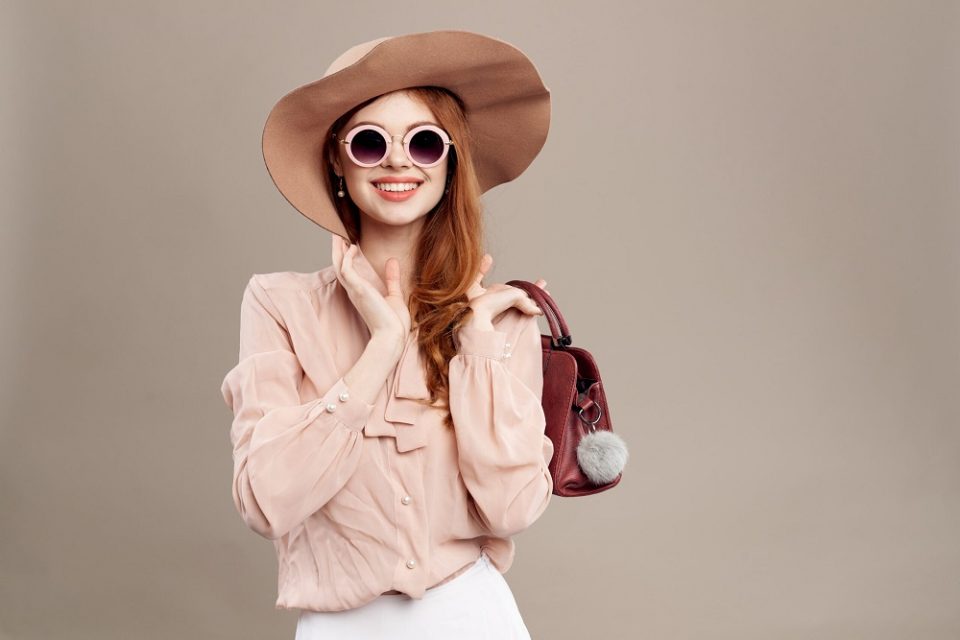
Accessories possess the unique ability to completely transform an outfit. A simple combination of a white t-shirt and dark denim can shift from casual loungewear to polished office attire simply by switching out a canvas tote and sneakers for a structured leather handbag, a leather belt, and refined jewelry. While clothing provides the structural foundation of your wardrobe, accessories inject personality, balance, and intentionality.
Selecting the right accents is an art form rooted in understanding proportion, color theory, texture, and context. By mastering a few core principles, you can eliminate wardrobe fatigue, maximize the utility of your existing clothes, and curate a collection of accessories that work effortlessly for any occasion.
The Foundational Principles of Accessorizing
Before choosing individual items, it helps to understand the underlying mechanics of how accessories interact with garments. Successful accessorizing relies on creating balance rather than competing for attention.
-
Establish a Focal Point: Every strong outfit features a primary center of interest. If you choose to wear a bold statement necklace or vibrant patterned silk scarf, keep your earrings, bracelets, and footwear understated.
-
Proportion and Scale: The physical size of your accessories should complement your body frame and the cut of your clothing. Dainty jewelry easily gets lost under thick, cable-knit sweaters, while massive, chunky accessories can overwhelm lightweight summer sundresses.
-
Context and Functionality: Accessories should match the environment and your daily activity level. Delicate suede heels and open totes are impractical for rainy commutes, just as heavy outdoor utility gear looks out of place in a formal boardroom.
Mastering Jewelry Selection
Jewelry serves as the most intimate category of accessories because it rests directly against your skin and frames your face.
Understanding Metals and Skin Undertones
Matching metals to your skin undertone creates a natural, flattering harmony.
-
Cool Undertones: Skin with pink, red, or bluish undertones pairs exceptionally well with silver, white gold, platinum, and pewter.
-
Warm Undertones: Skin with golden, peachy, or olive undertones naturally complements yellow gold, brass, and copper.
-
Neutral Undertones: Those with a balance of warm and cool tones can easily wear any metal finish, including mixed-metal arrangements.
Balancing Necklines with Necklaces
The neckline of your top or dress dictates the length and shape of the necklace you should wear.
-
V-Neck Tops: Opt for pendant necklaces that mimic the triangular drop of the collar, resting comfortably above the fabric edge.
-
Crew Neck and High Collars: Long pendant necklaces, layered chains, or substantial collar necklaces sit cleanly on top of high fabric lines to add depth.
-
Strapless and Sweetheart Cuts: Chokers or short princess-length chains draw attention upward toward the collarbones and face without cluttering the upper chest.
-
Button-Down Shirts: Tuck a short, delicate chain inside an open collar for subtle shimmer, or place a structured statement necklace directly beneath a buttoned collar for an editorial touch.
Selecting the Right Handbag for Your Lifestyle
A handbag is rarely just a decorative piece; it carries your daily essentials. Choosing the right bag requires balancing aesthetic appeal with structural utility.
Everyday Totes and Shoulder Bags
Daily bags need to withstand constant use while maintaining their shape and finish.
-
Material Considerations: Full-grain or top-grain leather offers the highest longevity and develops an attractive patina over time. High-density canvas or water-resistant nylon provides a practical, lightweight alternative for busy daily commutes.
-
Internal Organization: Look for dedicated compartments, secure zipper closures, and reinforced straps to prevent strain on your shoulders and back.
-
Color Selection: Neutral shades such as black, deep espresso, taupe, cognac, and navy offer maximum styling compatibility with the rest of your wardrobe.
Structured Evening Bags and Clutches
Formal events require a compact silhouette that complements dressier fabrics without getting in the way.
-
Box Clutches and Envelopes: Rigid, geometric designs create a clean, modern aesthetic alongside floor-length gowns or cocktail dresses.
-
Detachable Straps: Choosing a clutch with a stowable chain strap provides the flexibility of hands-free wear during cocktail hours or receptions.
The Impact of Belts on Silhouette
Belts are frequently underutilized, yet they serve as powerful tools for altering the silhouette and drape of your clothes.
-
Wide Waist Belts: Broad leather or elastic belts define the waist when worn over oversized knitwear, blazers, or flowy shirt dresses, instantly creating an hourglass shape.
-
Classic Skinny and Medium Belts: Belts measuring one to one-and-a-quarter inches fit standard trouser and jean loops, providing a clean visual break that pulls together tucked-in shirts and high-waisted pants.
-
Hardware Details: Match the metal tone of your belt buckle to your jewelry and bag hardware to maintain visual consistency throughout the outfit.
Footwear as an Anchor
Shoes dictate the posture, comfort, and ultimate formality level of whatever you wear.
-
Clean Minimalist Sneakers: Low-profile white leather sneakers lend an athletic, contemporary edge to tailored suits, slip skirts, and relaxed denim alike.
-
Classic Loafers: Penny or horsebit loafers bridge the gap between casual comfort and professional sophistication, pairing effortlessly with ankle-length trousers and casual shorts.
-
Ankle and Knee-High Boots: Sleek leather or suede boots add vertical structure and cold-weather durability, anchoring heavy coats and long skirts.
-
Refined Heels and Flats: Pointed-toe flats or modest block heels elongate the visual line of the leg while remaining comfortable enough for long workdays and formal dinners.
Scarves, Hats, and Eyewear
These finishing touches frame the face and allow for seasonal expression.
-
Silk Squares: Folded into a neckerchief, tied into a low ponytail, or knotted to a handbag handle, silk scarves add vibrant pops of color and pattern.
-
Structured Hats: Felt wide-brim fedoras add drama to fall outerwear, while woven straw hats provide sun protection and relaxed vacation style during summer months.
-
Classic Eyewear: Select frame shapes that contrast with your natural face structure. Angular frames balance round faces, while rounded or oval frames soften square jawlines.
How to Curate a Cohesive Capsule of Accessories
Creating a functional collection does not require owning hundreds of pieces. Follow these practical steps to build a dependable collection:
-
Invest in the Core Basics: Begin with high-quality daily staples, including a neutral leather bag, a versatile leather belt, a pair of everyday stud earrings, and classic walking shoes.
-
Add Personality Pieces Gradually: Introduce one or two distinctive items each season, such as a bold geometric cuff, an artisanal patterned scarf, or brightly colored footwear.
-
Maintain Your Pieces Regularly: Polish shoes, condition leather goods, and polish tarnished metal jewelry. Keeping your accessories in pristine physical condition ensures they always look elevated.
Frequently Asked Questions
How do I safely clean and maintain delicate jewelry at home?
Soak gold and silver pieces in warm water mixed with a few drops of mild dish soap for ten minutes, then gently scrub them using a soft-bristled baby toothbrush. Rinse thoroughly with clean lukewarm water and dry completely with a lint-free microfiber cloth. Avoid using harsh chemical cleaners on soft, porous gems such as pearls, opals, and turquoise.
What is the general rule for mixing patterns between accessories and clothing?
When mixing patterns, vary the scale and keep a shared color thread. If you are wearing a dress with a dense, small-scale floral print, pair it with an accessory featuring a wide, bold geometric stripe in a matching accent color to avoid visual clash.
How can I choose the right sunglasses frame for my specific face shape?
Look for frames that provide geometric contrast to your facial features. Square and rectangular jawlines look best with rounded, aviator, or oval frames, while circular face shapes benefit from sharp, angular wayfarers or cat-eye designs that add defined lines.
Is it acceptable to wear black and brown accessories together in the same outfit?
Yes, pairing black and brown creates a sophisticated, modern contrast when done deliberately. Choose distinct shades like rich cognac or warm camel against deep black rather than dark espresso tones that look like an accidental mismatch.
What should I consider when selecting cold-weather accessories like beanies and gloves?
Focus on fiber composition over synthetic blends. Natural wool, alpaca, and cashmere provide superior warmth without excessive bulk. Selecting ribbed knit textures in neutral heather tones ensures your winter accessories complement multiple coats.
How do I prevent layered necklaces from tangling during wear?
Combine necklaces made with different chain weights and varying lengths separated by at least two inches. Alternatively, use a specialized multi-strand jewelry clasp separator that secures all chains to a single magnetic anchor behind your neck.
What is the best way to store structured leather bags to keep their shape?
Stuff empty handbags with acid-free tissue paper or soft cotton inserts when not in use. Store them upright inside breathable cotton dust bags on a flat closet shelf, avoiding hanging them by their straps to prevent stretching the leather handles.
