
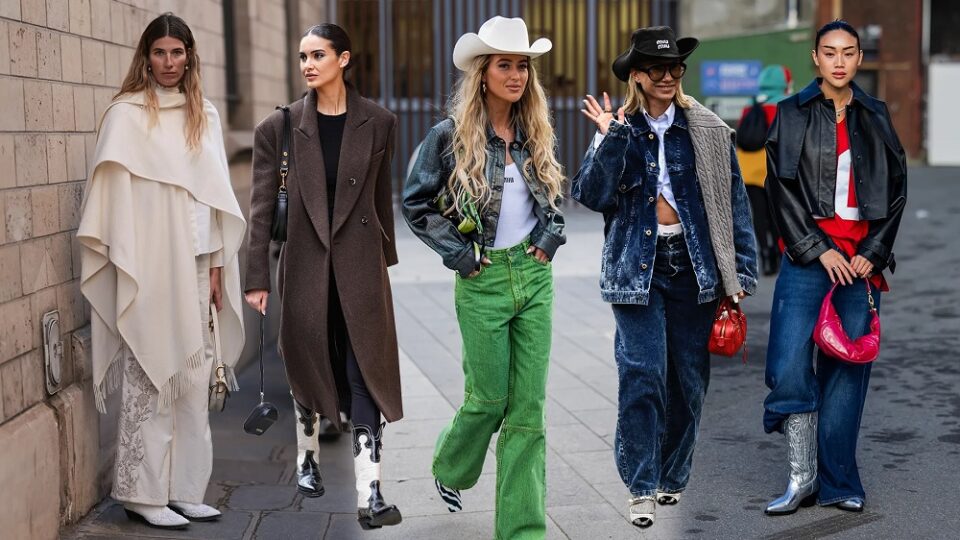
Fashion is far more than what we wear; it is an expression of our identity, culture, creativity, and history. Throughout time, fashion has reflected social changes, political movements, economic transitions, and personal values. From the haute couture runways of Paris to the street style of New York, fashion continues to redefine itself with every generation, serving as a mirror of humanity’s evolution.
Understanding the Core of Fashion
Fashion is a language of visual communication. Every fabric, silhouette, color, and accessory tells a story about who we are and what we value. It is a constantly shifting art form shaped by culture, innovation, and societal trends. The concept of fashion goes beyond aesthetics; it influences the economy, challenges traditions, and often becomes a medium for rebellion and revolution.
At its core, fashion embodies:
- Creativity and self-expression – transforming imagination into wearable art.
- Cultural reflection – showcasing traditions, beliefs, and values.
- Economic impact – driving industries like textiles, retail, and design.
- Social commentary – serving as a tool to question norms and assert individuality.
Historical Evolution of Fashion
Fashion’s journey has been shaped by centuries of influence from royalty, revolutions, industrial advancements, and global trade. During the Renaissance, European elites used elaborate garments to symbolize power and prestige. The Industrial Revolution democratized clothing by introducing mass production, making fashion accessible to the broader public.
In the 20th century, designers like Coco Chanel and Christian Dior revolutionized modern fashion. Chanel’s minimalist elegance freed women from restrictive corsets, while Dior’s “New Look” reintroduced glamour after World War II austerity. The 1960s brought counterculture and youth rebellion, the 1980s embraced bold colors and oversized silhouettes, and the 2000s ushered in a mix of technology and nostalgia.
Each era redefined beauty and gender roles through clothing, proving that fashion is a dynamic reflection of social transformation.
Fashion as a Cultural Identity
Fashion is deeply rooted in culture. Traditional clothing across the world—such as the Japanese kimono, Indian saree, or Scottish kilt—represents history, heritage, and community identity. Modern fashion designers often draw inspiration from these cultural roots to create contemporary interpretations that celebrate diversity.
In multicultural societies, fashion becomes a unifying yet distinct force. It enables individuals to honor their ancestry while participating in global trends. The fusion of styles, fabrics, and motifs from different regions fosters creativity and inclusion, illustrating how fashion can transcend borders.
The Role of Streetwear in Modern Culture
Streetwear, which originated from skateboarding and hip-hop culture, has become one of the most influential fashion movements of the 21st century. Characterized by comfort, individuality, and authenticity, it bridges the gap between luxury and everyday wear. Today, luxury houses collaborate with streetwear designers, reflecting a cultural shift toward inclusivity and accessibility.
Streetwear’s rise highlights how fashion is no longer dictated solely by elite designers. Instead, it thrives on community influence, digital presence, and personal storytelling—empowering people to shape trends rather than follow them.
The Sustainability Movement in Fashion
One of the most transformative developments in the industry is the growing demand for sustainable fashion. Environmental awareness has reshaped consumer behavior, urging brands to adopt ethical production methods and eco-friendly materials.
Sustainable fashion emphasizes:
- Ethical sourcing – ensuring fair wages and safe working conditions.
- Eco-conscious materials – using organic cotton, hemp, recycled polyester, and biodegradable fabrics.
- Slow fashion principles – encouraging quality over quantity and reducing waste.
- Circular fashion – promoting recycling, upcycling, and clothing resale.
The shift toward sustainability represents a moral and ecological awakening within fashion. Consumers are more aware of the carbon footprint associated with fast fashion, pushing brands to prioritize transparency and responsibility.
Technology’s Influence on Fashion
Technology has redefined the way we create, consume, and experience fashion. The integration of AI, 3D design, and digital clothing has given rise to innovative methods of design and production.
- Artificial Intelligence (AI) helps forecast trends, manage inventory, and personalize shopping experiences.
- 3D printing allows designers to experiment with avant-garde shapes and reduce material waste.
- Virtual fashion shows and digital avatars are revolutionizing the runway experience, enabling global access without environmental impact.
- Smart fabrics and wearable technology integrate functionality—such as health monitoring or temperature control—into clothing.
Technology is not only improving efficiency but also enhancing creativity and accessibility in the fashion world.
Fashion as a Psychological and Social Statement
Fashion psychology explores how clothing influences perception, confidence, and communication. What we wear often reflects how we feel and how we want others to see us. A well-tailored suit can project professionalism and power, while casual attire may signal openness and creativity.
Fashion also affects mental well-being. When individuals wear outfits that align with their identity, they experience greater confidence and self-assurance. This phenomenon, known as enclothed cognition, demonstrates the deep emotional connection between clothing and psychology.
Moreover, social movements—such as gender neutrality and body positivity—have reshaped fashion’s narrative. The industry is embracing inclusivity, challenging outdated standards, and promoting representation for all body types, genders, and ethnicities.
Economic Impact of the Fashion Industry
Fashion is one of the largest global industries, valued at over $2.5 trillion. It sustains millions of jobs across design, manufacturing, retail, and marketing. The U.S. fashion industry, in particular, plays a pivotal role in driving innovation and exports.
However, with growth comes responsibility. Fast fashion’s economic model prioritizes volume over ethics, often at the expense of workers and the environment. The challenge lies in balancing profitability with sustainability. As consumers grow more conscious, brands must innovate responsibly to maintain trust and relevance.
The Role of Digital Media and Influencers
In the digital era, social media has become a major catalyst for fashion trends. Platforms like Instagram, TikTok, and Pinterest have democratized fashion influence, allowing everyday users to become trendsetters. Influencers and digital creators now play a vital role in shaping public perception and driving purchasing behavior.
Fashion brands leverage influencer partnerships, user-generated content, and immersive online campaigns to connect authentically with audiences. This shift has blurred the line between consumer and creator, making fashion a participatory experience.
The Future of Fashion: Personalization and Virtual Integration
The future of fashion lies in personalization, sustainability, and technological integration. Artificial intelligence and data analytics will enable hyper-personalized shopping experiences, while blockchain technology will enhance supply chain transparency.
Virtual reality (VR) and augmented reality (AR) will redefine how consumers engage with fashion—allowing them to try outfits virtually, attend digital fashion shows, and customize garments before purchase. The rise of the metaverse fashion economy signifies the industry’s expanding frontier, where digital clothing holds real-world value.
FAQs
What is the difference between fashion and style?
Fashion refers to the collective trends and designs popular at a given time, while style represents an individual’s unique expression of those trends. Style is personal, timeless, and subjective, whereas fashion is often temporary and driven by market forces.
How does sustainable fashion impact consumers?
Sustainable fashion encourages consumers to buy fewer but higher-quality pieces, reducing environmental harm. It promotes mindful consumption, ethical labor practices, and long-term wardrobe value.
What role does technology play in the modern fashion industry?
Technology enhances innovation through virtual design tools, AI-driven analytics, and digital fashion experiences. It streamlines production, minimizes waste, and connects brands directly with global audiences.
Why is fashion important in society?
Fashion influences identity, confidence, and cultural expression. It reflects societal evolution, celebrates diversity, and fosters creativity across generations.
How can consumers support ethical fashion?
Consumers can support ethical fashion by choosing brands with transparent supply chains, prioritizing quality over quantity, and participating in circular fashion initiatives such as resale and recycling.
Fashion remains one of the most powerful expressions of human creativity. It evolves with technology, adapts to culture, and responds to environmental and ethical challenges. The journey of fashion is not merely about clothing—it is about the shared narrative of humanity, constantly weaving new stories through fabric, form, and imagination.
