
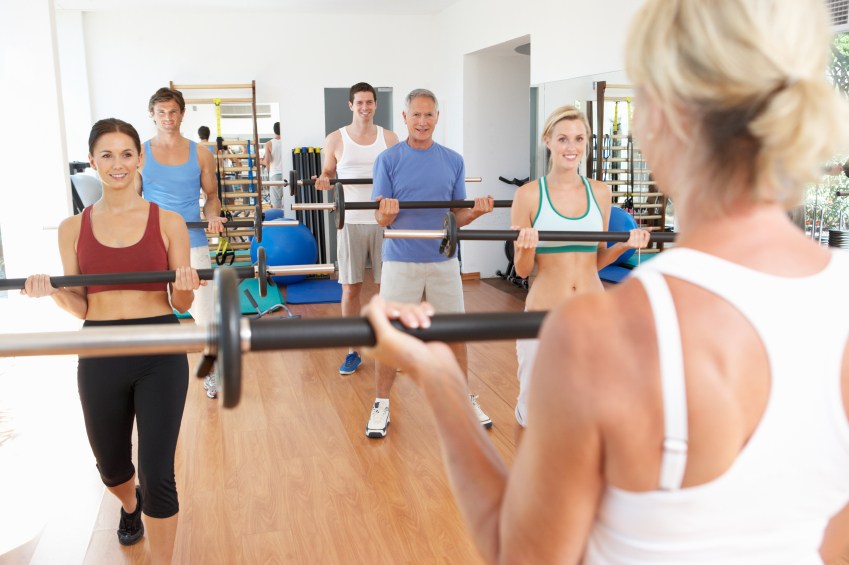
What you wear to train is not just a style choice. In strength based group workouts, clothing directly affects comfort, movement quality, temperature control, and even injury risk. For participants attending a bodypump class, gym wear needs to support repeated squats, presses, lunges, and core work without distraction or restriction.
In Singapore’s warm and humid climate, fitness fashion must balance function, durability, and breathability while still fitting into modern lifestyle aesthetics. This article explores how the right gym wear choices can enhance Bodypump performance, improve confidence, and support long term training consistency.
Why Clothing Matters in Strength Based Group Training
Bodypump involves continuous movement, controlled tempo, and extended time under tension. Clothing that shifts, overheats, or restricts motion can disrupt technique and focus.
Well designed fitness apparel supports:
-
Full range of motion across multiple joints
-
Sweat management and ventilation
-
Secure fit during dynamic transitions
-
Comfort over long sessions without adjustment
When clothing works with the body rather than against it, training feels smoother and more controlled.
Fabric Technology and Sweat Management
Fabric choice is one of the most important factors in Bodypump performance. High repetition training generates heat, and moisture build up can affect grip, posture, and comfort.
Effective Bodypump friendly fabrics offer:
-
Moisture wicking properties to move sweat away from skin
-
Quick drying capability to prevent heavy fabric feel
-
Lightweight construction for unrestricted movement
-
Soft texture to reduce friction during repeated motion
Avoiding thick cotton materials helps maintain comfort throughout the class, especially during lower body and back tracks where heat builds quickly.
Fit and Cut for Movement Efficiency
Fit influences how freely the body moves. Bodypump requires deep squats, overhead presses, and forward hinges, all of which demand clothing that stays in place.
Key fit considerations include:
-
Stretch panels around hips and shoulders
-
Waistbands that remain secure during repeated movement
-
Tops that allow overhead arm extension without riding up
-
Bottoms that provide coverage during deep knee bends
Clothing that constantly needs adjustment breaks focus and can affect technique.
Leggings and Shorts That Support Lower Body Work
Lower body tracks are a major component of Bodypump, making legwear especially important. Squats and lunges require stability and freedom at the hips and knees.
Effective lower body options feature:
-
Four way stretch material
-
Flat seams to reduce irritation
-
Firm but comfortable waistband support
-
Length that prevents fabric movement during deep squats
Compression style leggings can also provide proprioceptive feedback, helping participants feel more stable during repetitive movements.
Tops Designed for Upper Body and Core Tracks
Upper body tracks involve presses, rows, and core engagement, which place demands on shoulder mobility and torso stability.
Functional tops should:
-
Allow full shoulder rotation
-
Stay secure during floor based core work
-
Provide breathability across the chest and back
-
Maintain shape under sweat and movement
For many participants, fitted but flexible tops provide the best balance between comfort and control.
Footwear Choices for Bodypump Training
Footwear plays a critical role in stability and force transfer. Unlike running, Bodypump prioritises grounded movement and balance.
Ideal footwear characteristics include:
-
Flat or low drop sole for stability
-
Firm midsole to support lifting movements
-
Secure heel structure to prevent shifting
-
Flexible forefoot for natural movement
Highly cushioned running shoes can reduce stability during squats and lunges, while minimalist training shoes often offer better control.
Accessories That Improve Comfort and Focus
While minimalism is preferred in Bodypump, certain accessories can improve the training experience.
Useful accessories include:
-
Lightweight towels for sweat management
-
Wrist supports for added comfort during pressing tracks
-
Hair ties or headbands to maintain clear vision
-
Water bottles designed for quick hydration between tracks
Accessories should support training, not distract from it.
Fashion and Confidence in Group Fitness Settings
Confidence plays a powerful role in training quality. Wearing clothing that feels secure and functional allows participants to focus on movement rather than appearance concerns.
When participants feel confident:
-
Technique improves under fatigue
-
Movement becomes more fluid
-
Participation feels more enjoyable
-
Consistency increases over time
This psychological benefit is often underestimated but deeply influential in long term fitness adherence.
Balancing Style With Practicality
Modern fitness fashion blends aesthetics with performance. Many participants want gym wear that transitions easily between workouts and daily errands.
Practical style considerations include:
-
Neutral colours that mix easily
-
Durable fabrics that maintain shape
-
Designs that suit both gym and casual settings
-
Pieces that layer well for air conditioned environments
This versatility supports consistency by reducing friction around workout preparation.
Sustainability and Quality in Fitness Apparel
Long term Bodypump participants benefit from investing in quality apparel rather than constantly replacing worn items. Durable materials and strong stitching extend garment lifespan.
Sustainable choices include:
-
High quality fabrics that resist wear
-
Timeless designs over trend driven styles
-
Fewer but more versatile pieces
-
Proper garment care to maintain performance
Quality apparel supports both performance and responsible consumption.
Dressing for Singapore’s Climate
Humidity and heat require thoughtful clothing choices. Breathability and ventilation are essential for maintaining comfort and performance.
Climate specific considerations include:
-
Mesh panels for airflow
-
Lightweight layers that can be removed
-
Quick drying fabrics to prevent discomfort
-
Avoiding heavy or insulated materials
These factors help maintain focus and energy throughout the workout.
Creating a Functional Bodypump Wardrobe
A functional Bodypump wardrobe does not need to be extensive. A small selection of well chosen pieces can cover multiple sessions each week.
A practical setup includes:
-
Two to three pairs of training bottoms
-
Breathable tops suited for overhead movement
-
Stable training shoes
-
Basic accessories for comfort
This simplicity reduces decision fatigue and supports routine building.
Training Environment and Apparel Synergy
Group fitness environments thrive on shared energy and movement synchronisation. Clothing that supports free movement enhances this collective experience.
At True Fitness Singapore, participants often notice that comfortable, functional apparel allows them to stay focused on instruction, rhythm, and technique rather than personal discomfort.
FAQ
Q: Do I need special gym wear for Bodypump?
A: While specialised clothing is not mandatory, functional fitness apparel significantly improves comfort, movement quality, and focus during class.
Q: Are compression leggings helpful for Bodypump?
A: Many participants find compression leggings supportive during high repetition lower body work, though comfort and fit are most important.
Q: Can I wear running shoes to Bodypump classes?
A: Running shoes are not ideal due to their cushioning. Training shoes with better stability support Bodypump movements more effectively.
Q: How often should I replace my Bodypump training shoes?
A: Replace shoes when stability decreases or the sole loses firmness, which varies based on usage frequency.
Q: Does gym wear affect injury risk?
A: Proper fit, stable footwear, and breathable fabrics reduce distraction and improve movement control, indirectly lowering injury risk.
