
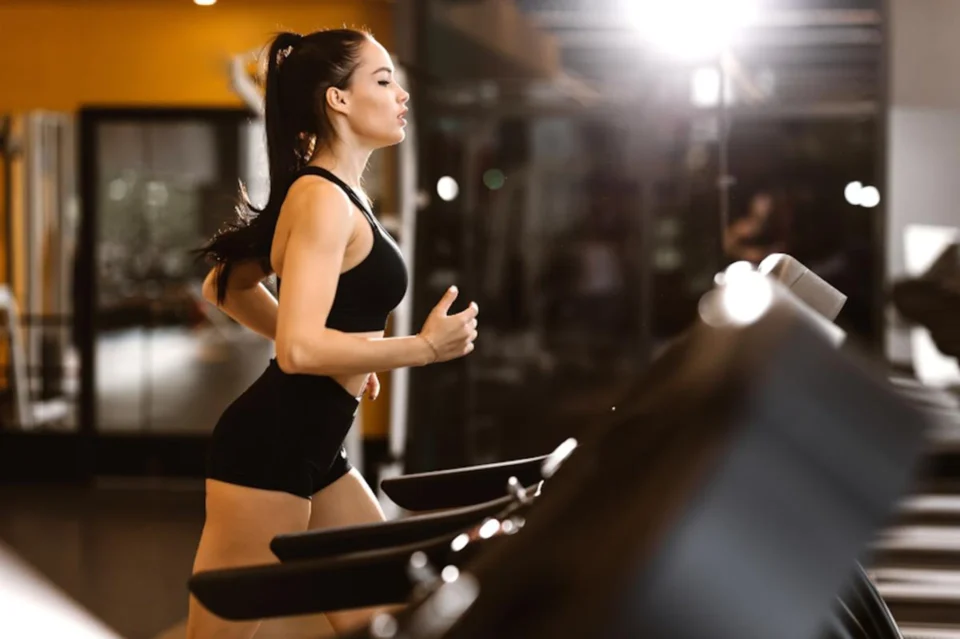
Fitness is no longer just about exercise—it’s a lifestyle that extends to how people dress, move, and express themselves. In Singapore, a country known for its trend-conscious yet practical population, the rise of stylish, performance-oriented activewear is reshaping how people experience fitness. The growing popularity of fitness classes Singapore has played a major role in this transformation, turning activewear from a niche category into a mainstream fashion statement.
This intersection of fashion and fitness is not about vanity. It’s about empowerment, comfort, and identity in a culture where health and self-expression go hand in hand.
The Evolution of Activewear Culture in Singapore
Just a decade ago, fitness apparel was largely functional—designed primarily for gym workouts or outdoor sports. Today, it’s become a lifestyle choice that extends into work, travel, and leisure. Singapore’s hot, humid weather and urban lifestyle have accelerated the shift toward breathable, versatile clothing that transitions seamlessly between the gym and daily life.
Fitness enthusiasts now choose attire that performs under pressure yet looks good enough for brunch, errands, or casual meetings. This practicality has made activewear a symbol of modern urban living.
The Psychology Behind Dressing for Fitness
What people wear impacts how they feel and perform—a phenomenon known as enclothed cognition. Studies show that wearing purpose-driven clothing enhances confidence, motivation, and focus. In Singapore’s bustling environment, where professionals often struggle to find time for exercise, stylish and functional workout gear can act as a motivational cue.
When individuals feel good about how they look, they’re more likely to show up for a class and commit to their routine. It’s not just about appearance; it’s about mindset and readiness.
The Role of Fitness Classes in Shaping Fashion Trends
Group fitness classes have significantly influenced Singapore’s activewear movement. Social and highly visible, these classes—ranging from spin and yoga to HIIT and pilates—encourage participants to blend fashion with performance.
The diversity of class types means different clothing innovations are in demand:
-
Spin and HIIT: Sweat-resistant, quick-dry fabrics that enhance breathability.
-
Yoga and Pilates: Flexible, lightweight materials with seamless design for comfort.
-
Outdoor Bootcamps: Durable, UV-protective activewear suitable for tropical weather.
This demand has inspired brands and studios alike to collaborate, creating designs that fit both aesthetic and athletic expectations.
Activewear as an Expression of Wellness Identity
Singapore’s fitness community values more than just physical health—it celebrates personal growth, self-care, and discipline. Activewear reflects these values. A well-fitted top or pair of leggings isn’t merely clothing; it’s a statement of intent and lifestyle.
Social media has amplified this effect. Fitness influencers, trainers, and even everyday participants share their class experiences online, showcasing apparel that embodies motivation and authenticity. This visual storytelling has turned fitness fashion into a medium of empowerment.
How Technology Is Transforming Activewear
Innovation plays a major role in shaping the activewear industry. Modern fabrics in Singapore’s fitness market now feature:
-
Moisture-wicking technology: Keeps the body dry during high humidity.
-
Compression support: Improves blood circulation and muscle recovery.
-
Antibacterial materials: Prevent odour and skin irritation.
-
Sustainable textiles: Made from recycled plastic bottles or plant-based fibres.
The blend of science, sustainability, and style appeals to Singaporeans who value both functionality and eco-consciousness.
Sustainability and Conscious Consumption
Singapore’s consumers are becoming more aware of the environmental impact of fast fashion. This awareness extends to activewear, where sustainability now drives purchasing decisions. Ethical manufacturing, eco-friendly dyes, and recycled materials have become important considerations.
Many fitness enthusiasts prefer brands that align with their wellness values—balancing physical health with environmental responsibility. Fitness studios and wellness platforms also encourage responsible consumption through clothing swaps, sustainable fashion events, and partnerships with ethical brands.
The Social Influence of Fitness Fashion
Fitness fashion has become part of Singapore’s social identity. Attending a group workout is often a community experience, where attire signals confidence, belonging, and shared values. People who wear quality activewear not only feel comfortable during workouts but also project a sense of purpose and pride.
This shift mirrors the rise of “athleisure”—a style that merges athletic wear with street fashion. In Singapore, this trend fits perfectly with the practical lifestyle of city dwellers who prioritise convenience without sacrificing style.
The Connection Between Fashion and Motivation
The link between fashion and fitness motivation is more powerful than it appears. Wearing appealing, performance-driven gear can psychologically prepare individuals for action. It acts as a cue that transitions the mind from work mode to workout mode.
Participants often describe a sense of empowerment when putting on their workout attire. This mental association helps form consistent exercise habits, a crucial factor in long-term health and fitness success.
The Role of True Fitness Singapore in Promoting Holistic Wellness
At True Fitness Singapore, wellness extends beyond physical exercise. The environment encourages a holistic approach where members feel confident, motivated, and inspired to train. By fostering a culture that embraces individuality, performance, and self-expression, True Fitness aligns with the evolving mindset of today’s wellness-driven generation.
Its classes cater to all fitness preferences—from strength and endurance training to mindful movement—creating an atmosphere where both health and style coexist effortlessly.
The Business of Fitness Fashion
Activewear has also become a lucrative market within Singapore’s growing wellness economy. Local and international brands are competing to meet rising demand, often using collaborations with trainers or influencers to build credibility.
Studios and gyms partner with brands for co-branded merchandise, while corporate fitness programmes encourage employees to invest in comfortable, durable gear. This ecosystem of collaboration between fashion and fitness has created new opportunities for entrepreneurship and innovation.
Balancing Performance and Personal Style
Today’s activewear no longer forces people to choose between function and fashion. High-performance fabrics now come in bold prints, elegant cuts, and versatile colours. Whether it’s a minimalist aesthetic or vibrant designs, participants can express individuality while still enjoying maximum comfort.
This balance encourages people to make fitness a consistent part of their lifestyle rather than a seasonal trend.
The Future of Fitness Fashion in Singapore
As Singapore continues to embrace wellness as a core cultural value, fitness fashion will evolve alongside it. Future trends may include:
-
AI-fitted garments that adjust compression based on activity level.
-
Temperature-regulating fabrics for tropical climates.
-
Customisable apparel that reflects personal fitness goals.
-
Community-led designs created through collaboration with local athletes and designers.
This forward-thinking approach ensures that fashion remains a meaningful part of Singapore’s wellness revolution.
FAQs
Q1: Why has activewear become so popular in Singapore?
Because it combines comfort, practicality, and style, making it ideal for Singapore’s climate and fast-paced lifestyle.
Q2: How do fitness classes influence activewear trends?
Different types of classes require unique apparel functions, inspiring innovation in fabric design and clothing structure.
Q3: Is sustainable activewear available in Singapore?
Yes. Many brands now focus on eco-friendly materials and ethical production, reflecting consumer awareness of sustainability.
Q4: Can fashion really improve workout performance?
Yes. When people wear clothing designed for comfort and movement, they experience greater confidence and efficiency during exercise.
Q5: What’s next for fitness fashion in Singapore?
Expect growth in smart activewear, sustainability initiatives, and personalised designs that merge technology with wellness.
As wellness becomes a way of life, fitness classes Singapore are no longer just about movement—they represent a full lifestyle shift. With fashion, performance, and mindfulness blending seamlessly, activewear has become the modern uniform of Singapore’s health-conscious generation.
