
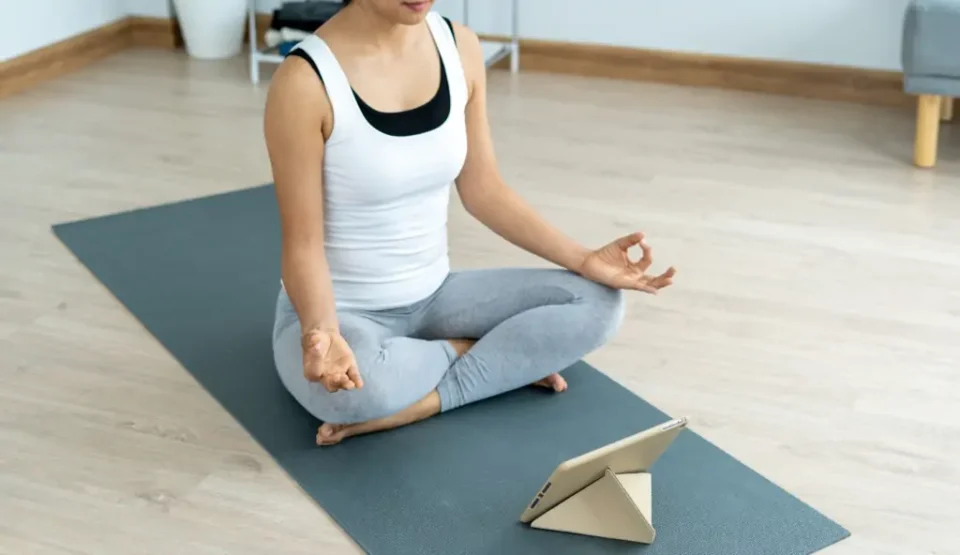
In today’s fast-paced world, the concept of lifestyle has evolved far beyond mere habits and routines. It reflects a person’s values, priorities, and emotional well-being. A modern lifestyle integrates physical health, mental stability, social connection, and professional fulfillment. However, the challenge lies in achieving harmony among these dimensions while navigating digital dependence, environmental concerns, and work-life complexities. This article delves deeply into how modern lifestyles are shaping society, what defines a balanced life, and how individuals can cultivate purpose-driven living in the 21st century.
Understanding the Meaning of Lifestyle
Lifestyle is a comprehensive term encompassing the way individuals live, including their daily habits, social patterns, diet, work ethics, leisure choices, and mindset. It is influenced by factors such as culture, socioeconomic background, environment, and technology. While lifestyle once referred mainly to material comfort and social class, it now encompasses emotional intelligence, sustainability, and personal growth.
A healthy lifestyle today is not about rigid routines but about conscious choices. People are redefining success by prioritizing wellness over wealth, quality over quantity, and purpose over prestige. The focus has shifted toward creating a lifestyle that fosters long-term happiness and self-fulfillment.
The Core Pillars of a Balanced Lifestyle
1. Physical Health and Well-Being
Physical well-being forms the foundation of an optimal lifestyle. Regular exercise, balanced nutrition, and proper rest are vital not just for longevity but also for mental clarity and resilience. The modern approach emphasizes functionality—staying strong, flexible, and energetic rather than merely looking fit.
Key habits for physical balance include:
- Consistent movement, such as walking, yoga, or strength training
- Nutrient-dense meals with mindful portion control
- Staying hydrated and limiting processed foods
- Prioritizing sleep quality over duration
- Scheduling preventive health checkups
An active body fuels an active mind. The connection between physical health and emotional stability cannot be overstated. Even short bursts of daily activity can lower cortisol levels, boost endorphins, and enhance creativity.
2. Mental and Emotional Wellness
Modern living often brings stress, information overload, and emotional fatigue. Mental wellness is about maintaining balance amid constant stimulation. The rise of mindfulness practices, journaling, and digital detoxes highlights the need for emotional grounding.
To maintain mental equilibrium:
- Practice mindfulness or meditation daily
- Create screen-free zones or hours at home
- Learn stress management techniques such as breathwork or visualization
- Build strong emotional intelligence by recognizing and expressing feelings healthily
- Seek therapy or counseling without stigma
The most successful individuals prioritize mental health as part of their lifestyle, understanding that inner calm is essential for productivity, decision-making, and relationships.
3. Social Connection and Community
Humans thrive on connection. Despite technological advancements, loneliness has become a global health concern. A fulfilling lifestyle includes nurturing relationships, participating in communities, and maintaining meaningful social interactions.
Ways to strengthen social well-being:
- Prioritize quality time with family and friends
- Join local groups, clubs, or volunteer organizations
- Engage in conversations that promote empathy and understanding
- Limit digital communication and prioritize face-to-face interaction
- Practice gratitude and generosity within your community
Healthy social bonds build emotional security, increase longevity, and enhance a sense of belonging.
4. Professional Fulfillment and Work-Life Harmony
Career satisfaction is a significant component of lifestyle, as work occupies a large part of our daily lives. However, true fulfillment comes from aligning professional goals with personal values. A balanced work-life approach ensures that ambition does not compromise well-being.
To cultivate professional wellness:
- Set clear boundaries between work and personal time
- Engage in continuous learning to stay relevant and inspired
- Seek roles that align with your values and passions
- Prioritize purpose over position—doing meaningful work leads to lasting satisfaction
- Take regular breaks to prevent burnout
Work-life harmony does not mean equal hours for both but rather achieving synergy—where success in one area supports joy in another.
5. Financial Stability and Conscious Living
Financial wellness is integral to peace of mind. While money cannot buy happiness, financial insecurity can severely impact mental health and lifestyle quality. Conscious spending, saving, and investing ensure stability and long-term freedom.
Strategies for financial balance:
- Track expenses and set realistic budgets
- Save at least 20% of income for emergencies and long-term goals
- Invest in experiences that create memories rather than material possessions
- Avoid debt cycles by practicing mindful consumption
- Plan for retirement early to reduce future anxiety
Financial literacy empowers individuals to live with purpose rather than pressure.
The Digital Lifestyle: Navigating the Technology Era
Technology has redefined how people live, work, and connect. From smart homes to remote jobs, the digital world offers convenience and flexibility but also introduces challenges such as screen addiction, cyber stress, and reduced physical activity.
To create a healthy digital lifestyle:
- Implement tech boundaries, like no-device meals or digital-free weekends
- Use social media consciously—follow accounts that inspire, not compare
- Protect privacy through mindful data sharing
- Balance online learning and entertainment with outdoor activities
- Use technology to enhance productivity, not control life
The digital lifestyle, when managed properly, can amplify personal growth and efficiency without diminishing human experience.
Environmental Consciousness and Sustainable Living
A modern lifestyle cannot be considered complete without acknowledging environmental responsibility. Climate change awareness and resource conservation are influencing how people consume, travel, and live.
Sustainable lifestyle choices include:
- Reducing waste and opting for reusable materials
- Supporting ethical brands and local products
- Practicing minimalism—owning less to live more
- Using energy-efficient appliances and renewable resources
- Engaging in eco-friendly transportation like cycling or carpooling
Sustainability is not a trend; it’s a mindset that defines the future of lifestyle. Every conscious choice contributes to the collective well-being of the planet.
The Role of Purpose in Modern Living
Living with purpose transforms an ordinary lifestyle into a meaningful one. Purpose fuels motivation, resilience, and fulfillment. It can manifest through career goals, family values, creative pursuits, or community service.
To find and live your purpose:
- Reflect on your strengths and passions
- Identify causes or values that resonate deeply
- Align your daily activities with long-term meaning
- Practice gratitude to stay grounded in what truly matters
- Contribute positively to others’ lives
Purpose-driven living leads to greater happiness and stability, as it gives direction to every decision and habit.
The Science Behind Lifestyle Choices
Research across health and psychology consistently links lifestyle habits with life expectancy and overall satisfaction. The Blue Zones Study, for example, found that regions with the highest longevity share common lifestyle factors: plant-based diets, natural movement, strong social ties, and purpose-driven living.
Scientific studies confirm that small, consistent habits—like walking daily, eating whole foods, meditating, and sleeping well—have compounding effects on physical and mental health. These insights emphasize that lifestyle is not shaped by dramatic changes but by intentional daily choices.
Cultural Influences on Lifestyle
Culture deeply shapes how individuals perceive success, happiness, and wellness. Western lifestyles often prioritize individuality and achievement, while Eastern traditions emphasize balance, mindfulness, and collective well-being. Globalization is now blending these ideologies, creating hybrid lifestyles where personal ambition coexists with mental and emotional awareness.
Understanding and respecting cultural diversity in lifestyle choices fosters empathy and global unity. It also encourages individuals to adopt best practices from various traditions, whether it’s Mediterranean eating habits or Japanese mindfulness rituals.
Building Your Ideal Lifestyle
Creating a fulfilling lifestyle is an evolving journey rather than a fixed destination. It requires ongoing reflection, self-awareness, and adaptability.
Steps to design your ideal lifestyle:
- Identify your priorities: health, family, career, creativity, or travel
- Create routines that support those priorities
- Eliminate habits that drain energy or conflict with your goals
- Track progress and celebrate small wins
- Continuously adjust as your needs and values evolve
A successful lifestyle aligns with who you are, not what society dictates. It brings peace, not pressure; growth, not comparison.
Frequently Asked Questions (FAQ)
1. How can I start living a balanced lifestyle if I have a busy schedule?
Start with small, realistic adjustments such as taking short walks, practicing gratitude each morning, and setting screen-free hours. Gradual change leads to sustainable balance.
2. What are the key signs of an unhealthy lifestyle?
Chronic fatigue, poor sleep, irritability, weight fluctuations, and constant stress often indicate lifestyle imbalance. Addressing diet, exercise, and rest can restore stability.
3. How does lifestyle impact longevity?
Lifestyle choices directly affect aging and disease prevention. Regular activity, nutritious eating, and strong social bonds are proven to extend lifespan and improve quality of life.
4. How can I integrate sustainability into my lifestyle without major sacrifice?
Simple actions like reducing plastic use, conserving water, and supporting eco-friendly businesses make a difference. It’s about mindful choices, not perfection.
5. Can changing lifestyle improve mental health?
Absolutely. Studies show that physical activity, proper nutrition, and social interaction can significantly reduce anxiety and depression symptoms. Balanced living nurtures both body and mind.
A meaningful lifestyle is not about trends but transformation. It’s about creating a life that reflects your values, enhances well-being, and connects you deeply to yourself and the world around you.
