
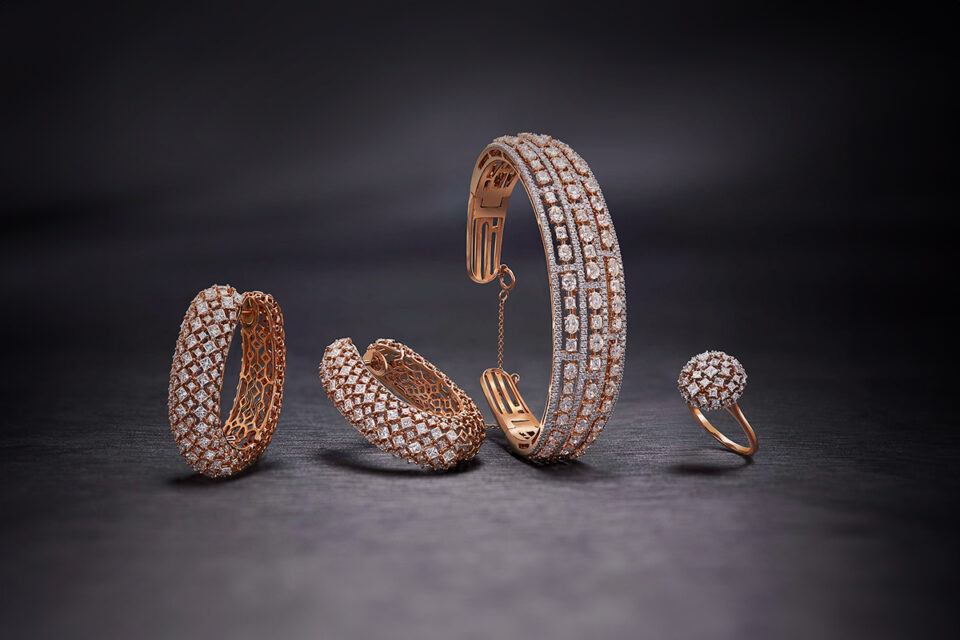
Jewelry has always held a special place in human civilization, representing not only beauty and adornment but also power, spirituality, and identity. From ancient civilizations that used shells and bones to craft ornaments to today’s cutting-edge gemstone technology and sustainable gold practices, jewelry continues to evolve while maintaining its emotional and cultural significance. This in-depth exploration reveals the fascinating journey of jewelry through time, its craftsmanship, symbolism, and its growing influence in modern lifestyle and luxury markets.
The Historical Roots of Jewelry
The history of jewelry stretches back thousands of years, with archaeological evidence showing that early humans wore ornaments long before recorded history. These primitive pieces were often crafted from organic materials such as shells, feathers, and bones, symbolizing protection and status. As metalworking developed, civilizations began to shape copper, gold, and silver into intricate designs that reflected wealth and spiritual beliefs.
Ancient Egypt: The Birthplace of Gold Adornment
In ancient Egypt, jewelry was not merely decorative but deeply spiritual. Egyptians believed that gold was the flesh of the gods, symbolizing eternal life. The famous burial treasures of Pharaoh Tutankhamun, including his golden mask and intricate amulets, demonstrate the Egyptians’ mastery of craftsmanship and their belief in jewelry’s protective power in the afterlife. Gemstones like lapis lazuli and turquoise were favored for their symbolic meaning, often associated with divine protection and rebirth.
Greece and Rome: Artistry and Influence
The Greeks advanced jewelry design by emphasizing artistic expression. Their goldsmiths created finely detailed wreaths, earrings, and cameos inspired by mythology and nature. Romans, on the other hand, popularized gemstone engraving and introduced innovations such as rings bearing engraved intaglios used to seal documents. Jewelry became a statement of social standing, political allegiance, and personal identity.
The Middle Ages and Renaissance: A Symbol of Nobility
During the Middle Ages, jewelry was restricted mainly to royalty and clergy. Crosses, reliquaries, and ornate crowns symbolized both faith and power. The Renaissance era brought a revival of creativity and learning, reflected in jewelry adorned with diamonds, pearls, and enamel work. Wealthy patrons commissioned pieces not only to display status but also to celebrate artistic expression and love.
The Evolution of Materials and Techniques
The innovation of jewelry-making has continually advanced, shaped by technology and cultural trends.
Precious Metals and Gemstones
Gold, silver, and platinum remain timeless materials, each valued for their durability, rarity, and luster. The discovery of diamond cutting in the 14th century revolutionized jewelry aesthetics, allowing stones to sparkle with unparalleled brilliance. Over time, sapphires, emeralds, and rubies became symbols of luxury and romance, often incorporated into royal collections and engagement traditions.
Modern Materials and Design Innovations
Contemporary jewelers experiment with titanium, stainless steel, and recycled metals, reflecting an eco-conscious shift in consumer preferences. Advanced technologies like 3D printing and laser engraving enable intricate designs previously impossible by hand. Customization has become central to modern jewelry design, allowing consumers to create pieces that carry personal meaning while maintaining superior craftsmanship.
The Cultural and Emotional Significance of Jewelry
Jewelry serves as a language of emotion, memory, and identity. Beyond its material value, it often symbolizes milestones, beliefs, and personal connections.
Jewelry as an Expression of Identity
From birthstones to family heirlooms, jewelry tells personal stories. Many individuals wear pieces that represent heritage, milestones, or achievements. Cultural jewelry—such as Native American turquoise adornments, Indian bridal sets, or Celtic knot rings—acts as a bridge between generations, preserving traditions through design and symbolism.
Jewelry in Love and Commitment
Engagement rings, wedding bands, and anniversary gifts exemplify jewelry’s enduring association with love and devotion. The diamond engagement ring, popularized in the 20th century, has become an iconic symbol of eternal love, though modern couples now embrace colored gemstones and minimalist designs as expressions of individuality.
Spiritual and Healing Jewelry
Throughout history, gemstones have been attributed with metaphysical properties. Amethyst is believed to promote clarity, while jade symbolizes harmony and protection. In contemporary wellness culture, crystal jewelry has reemerged as a tool for mindfulness, aligning energy and intention with fashion.
The Jewelry Industry: Trends and Market Evolution
The global jewelry market continues to thrive, blending tradition with innovation. Understanding its modern trajectory reveals how craftsmanship and consumer demand shape its evolution.
The Rise of Ethical and Sustainable Jewelry
Today’s consumers are more conscious about the origin of their jewelry. Ethical sourcing, conflict-free diamonds, and recycled metals are reshaping production standards. Many brands now emphasize transparency in their supply chains and support local artisans to ensure fair trade practices. Lab-grown diamonds, virtually identical to natural stones, have gained popularity for their affordability and sustainability.
Customization and Personalization
Modern buyers crave unique pieces that reflect individuality. Custom design services, engraving options, and birthstone jewelry allow wearers to create personal symbols of meaning. This shift toward personalized jewelry underscores a broader trend in fashion—where authenticity and emotional connection matter more than mass appeal.
The Digital Transformation of Jewelry Shopping
E-commerce has revolutionized the jewelry industry. High-definition imaging, virtual try-on technology, and augmented reality make online shopping more immersive and convenient. Digital platforms allow consumers to explore collections, compare craftsmanship, and customize designs with just a few clicks.
The Art and Science of Jewelry Design
Jewelry design is both an artistic and technical endeavor. It combines creativity with precision engineering to produce wearable works of art.
Concept to Creation
Designers begin with sketches or digital renderings that balance aesthetics and functionality. The choice of materials, stone settings, and proportions must align with both artistic vision and structural integrity. Modern techniques like CAD (Computer-Aided Design) streamline production while preserving artisanal quality.
The Role of Gemology
Gemology plays a critical role in jewelry design and valuation. Experts assess gemstone authenticity, clarity, cut, and color to determine quality and worth. Understanding these factors empowers consumers to make informed decisions when purchasing fine jewelry.
Maintenance and Preservation
Proper care extends the life of jewelry. Regular cleaning, secure storage, and professional inspections prevent damage and preserve brilliance. For antique or vintage pieces, restoration should be handled by skilled jewelers to maintain historical integrity.
Jewelry in Modern Fashion and Lifestyle
Jewelry has evolved beyond luxury to become an essential part of everyday style. It reflects personality, complements fashion trends, and adapts to diverse lifestyles.
Minimalism and Everyday Elegance
Contemporary jewelry design favors clean lines, geometric shapes, and versatile pieces that transition seamlessly from day to night. Layered necklaces, stackable rings, and delicate earrings represent this understated elegance.
Statement Jewelry and Artistic Expression
On the other end of the spectrum, statement pieces allow bold self-expression. Oversized gemstones, sculptural designs, and mixed materials turn jewelry into wearable art. Red carpet events and fashion shows often feature avant-garde creations that push the boundaries of traditional aesthetics.
Men’s Jewelry: Redefining Masculinity
Men’s jewelry has gained prominence in recent years, evolving beyond wedding bands and watches. Cufflinks, signet rings, chains, and bracelets now form an integral part of modern men’s fashion. This shift reflects a broader cultural acceptance of self-expression and individuality.
Future of Jewelry: Technology and Tradition in Harmony
The future of jewelry lies in balancing innovation with heritage. As artisans blend ancient craftsmanship with futuristic technology, new possibilities emerge. AI-driven design, blockchain authentication, and smart jewelry that tracks fitness or stores data are reshaping how we define adornment in the digital age.
At the same time, the timeless essence of jewelry—its ability to convey emotion, legacy, and artistry—remains unchanged. As consumers continue to seek pieces that reflect their values and aspirations, jewelry will always symbolize more than beauty; it will embody human connection and creativity.
Frequently Asked Questions (FAQ)
1. What is the difference between fine jewelry and fashion jewelry?
Fine jewelry is crafted from precious metals like gold, platinum, and genuine gemstones, designed to last for generations. Fashion jewelry, also known as costume jewelry, uses less expensive materials such as brass, copper, or synthetic stones for trendy, affordable styles.
2. How can I ensure my jewelry is ethically sourced?
Look for certifications from organizations like the Responsible Jewellery Council or ask jewelers for transparency about sourcing practices. Choosing recycled metals or lab-grown diamonds is another sustainable alternative.
3. Why are lab-grown diamonds becoming so popular?
Lab-grown diamonds are chemically identical to natural diamonds but are produced under controlled conditions. They offer the same brilliance and durability at a lower cost and without the environmental and ethical concerns associated with mining.
4. What jewelry styles are currently trending?
Minimalist gold chains, pearl accents, personalized nameplates, and vintage-inspired designs are among today’s most popular trends. Sustainable and handmade jewelry also continues to gain traction.
5. How do I care for my gemstone jewelry?
Clean gemstone jewelry with mild soap and warm water using a soft brush. Avoid harsh chemicals, ultrasonic cleaners, or extreme temperatures. Store pieces separately to prevent scratching.
6. Can jewelry be a good investment?
High-quality fine jewelry, particularly those with rare gemstones or antique provenance, can appreciate in value over time. However, its emotional and aesthetic value often surpasses its monetary worth.
Jewelry will always remain a reflection of humanity’s desire for beauty, meaning, and legacy—an art form that transcends time, culture, and technology.
