
Understanding What a Boutique Truly Represents
A boutique is far more than just a small retail shop—it is an experience, a statement, and a reflection of individuality. Unlike large chain stores or impersonal online retailers, boutiques focus on curated selections, personalized service, and distinctive aesthetics. The term “boutique” originally stems from the French word meaning “shop,” but in modern retail, it carries connotations of exclusivity, craftsmanship, and attention to detail. When customers enter a boutique, they expect not only to buy a product but to engage with a story, a lifestyle, or a philosophy that resonates with them.
Boutiques are often known for their unique product collections, limited-edition items, and artisanal goods. Whether it’s a fashion boutique offering handmade garments, a home décor boutique featuring one-of-a-kind pieces, or a wellness boutique emphasizing organic skincare products, the unifying thread is a commitment to quality over quantity.
In the digital age, many successful boutiques have extended their presence online, maintaining the same intimate and personalized shopping experience through curated e-commerce platforms. This fusion of offline charm and digital accessibility has made boutiques more relevant than ever.
The Evolution of Boutique Culture
The boutique industry has evolved dramatically over the past few decades. In the mid-20th century, boutiques were synonymous with niche fashion houses and independent designers who sought to break free from mass-market trends. As consumer behavior shifted toward valuing authenticity and craftsmanship, the boutique model gained momentum. Today, it’s a symbol of conscious consumerism—a preference for buying fewer but better products.
Several social and economic trends have fueled the growth of boutiques:
- The rise of sustainable fashion has encouraged shoppers to move away from fast fashion and invest in ethically made products.
- Digital transformation has empowered small retailers to reach global audiences through online boutiques.
- Personalization and storytelling have become key differentiators in marketing, aligning perfectly with boutique branding.
- Community-driven business models have allowed local boutiques to build loyal followings based on trust and authenticity.
Boutiques today are not confined to fashion alone. The concept extends to interior design studios, artisanal bakeries, eco-friendly skincare brands, and even boutique hotels—each offering a tailored experience centered around individuality and exclusivity.
Characteristics That Define a Boutique
What truly distinguishes a boutique from other retail formats are its defining characteristics:
1. Curated Product Selection
Boutiques prioritize quality and aesthetic coherence over volume. Each item is handpicked to reflect the store’s identity and resonate with its clientele. The products are often limited in number, ensuring customers feel they own something rare and distinctive.
2. Personalized Customer Experience
A hallmark of any boutique is the attention to customer interaction. From remembering client preferences to offering customized recommendations, boutique owners cultivate relationships rather than mere transactions.
3. Artistic Store Design
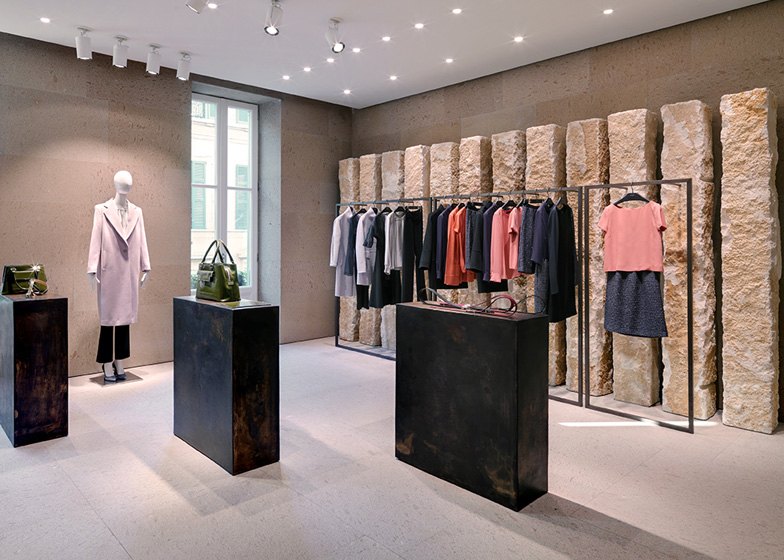
The physical layout of a boutique often mirrors its brand personality. Whether minimalist, rustic, or luxurious, the interior design contributes to the sensory appeal of the shopping experience.
4. Storytelling and Brand Identity
Every boutique tells a story. This could be about the designer’s inspiration, the sourcing of materials, or the cultural heritage behind each product. This narrative builds emotional connections with customers and fosters brand loyalty.
5. Local and Sustainable Orientation
Many modern boutiques emphasize sustainability, partnering with local artisans and sourcing eco-friendly materials. This approach not only benefits communities but also attracts ethically conscious consumers.
Boutique vs. Retail Chain: The Distinctive Difference
While retail chains focus on scalability and consistency, boutiques thrive on uniqueness and intimacy. A retail chain aims to provide identical experiences across locations, whereas a boutique’s charm lies in its individuality. Customers visiting a boutique expect diversity, craftsmanship, and the unexpected.
In addition, boutique pricing often reflects the quality, craftsmanship, and exclusivity of its offerings. Unlike mass-produced items, boutique products are often handmade, limited edition, or customized—attributes that justify their value.
The Boutique Shopping Experience
Walking into a boutique feels different. The environment is inviting, calm, and aesthetically pleasing. Every element—from the scent in the air to the background music—is intentionally chosen to create a mood that complements the products on display. Staff members often engage customers in meaningful conversations, offering insights into the products’ origins or care instructions.
In contrast to the rushed, transactional environment of department stores, boutiques encourage leisurely browsing. This slower pace allows customers to appreciate the artistry and story behind each item, leading to a deeper emotional connection with their purchases.
The Rise of Online Boutiques
The digital transformation of retail has not diminished the essence of boutiques—it has amplified it. Online boutiques offer the same curated selections and personalized touches through virtual means. Brands now utilize technologies like AI-driven recommendations, virtual fitting rooms, and personalized shopping assistants to replicate the in-store experience online.
Social media platforms have also played a crucial role in promoting boutique culture. Through visually rich content, small brands showcase their craftsmanship, build storytelling campaigns, and reach audiences that value authenticity over mainstream appeal.
Some online boutiques have adopted a hybrid model, maintaining both physical and digital storefronts. This approach allows them to cater to local walk-in customers while expanding their reach globally.
The Economic and Cultural Significance of Boutiques
Boutiques contribute significantly to local economies by supporting artisans, designers, and small-scale producers. They create opportunities for independent entrepreneurs to showcase creativity without the constraints of corporate retail systems.
Culturally, boutiques preserve diversity in fashion, design, and lifestyle. They celebrate individuality and craftsmanship in an age where mass production dominates. By supporting local talent, boutiques also nurture community development and sustain cultural traditions that might otherwise fade away.
Strategies for Running a Successful Boutique
For entrepreneurs, operating a boutique requires strategic thinking and a clear vision. The following principles are key to long-term success:
1. Define a Clear Niche
A successful boutique thrives on specificity. Whether it focuses on vintage apparel, handmade jewelry, or organic wellness products, the niche must align with market demand and personal passion.
2. Build a Strong Brand Identity
Branding is crucial. Everything from the store logo to the packaging should reflect the boutique’s ethos. Authentic storytelling is essential in differentiating the brand and attracting loyal customers.
3. Prioritize Customer Relationships
Loyalty programs, personalized notes, and excellent post-purchase care can turn first-time buyers into lifelong patrons. Boutique owners should make every customer feel valued.
4. Embrace Digital Tools
Modern boutiques can’t afford to ignore digital integration. E-commerce platforms, social media marketing, and data analytics can enhance visibility, efficiency, and engagement.
5. Focus on Experience Over Transaction
Boutiques that succeed focus on creating an emotional connection rather than pushing for sales. Hosting small events, offering styling consultations, or featuring local artists can enhance brand appeal.
Common Challenges in Boutique Management
While the boutique industry holds immense potential, it also faces challenges:
- Competition from large retailers with greater pricing power.
- Inventory management due to smaller batch orders.
- Customer retention in a highly digital marketplace.
- Economic fluctuations affecting discretionary spending.
To overcome these, boutique owners must continuously innovate, build strong online communities, and maintain a distinct value proposition that resonates with modern consumers.
The Future of Boutique Retail
The future of boutiques looks promising as consumers increasingly prioritize personalization and sustainability. The integration of technology with artisanal craftsmanship is likely to define the next era of boutique retail. Virtual shopping experiences, augmented reality product previews, and eco-friendly innovations will further enhance the boutique model’s appeal.
Moreover, boutique businesses that blend local authenticity with digital accessibility will thrive. As customers seek meaningful purchases and emotional fulfillment, boutiques are uniquely positioned to meet these desires.
FAQs
What makes a boutique different from a regular store?
A boutique focuses on curated, high-quality selections and personalized service, unlike regular stores that emphasize volume and standardization.
Do boutiques only sell luxury products?
Not necessarily. While many boutiques cater to premium markets, others offer affordable yet distinctive items, emphasizing craftsmanship rather than price.
How do online boutiques maintain personal connections with customers?
They use personalized emails, interactive social media engagement, virtual consultations, and curated product recommendations to replicate in-person intimacy.
Why are boutiques becoming more popular in recent years?
Consumers are increasingly drawn to authenticity, sustainability, and individuality, which are core values of boutique businesses.
Can a boutique succeed without a physical location?
Yes. Many modern boutiques operate entirely online, using storytelling, social proof, and immersive digital experiences to attract customers worldwide.
How can boutique owners attract loyal customers?
By maintaining consistent quality, offering excellent service, and creating an emotional bond through meaningful brand storytelling and community engagement.
Are boutique products worth the higher price tag?
In most cases, yes. The higher cost reflects superior craftsmanship, ethical sourcing, limited availability, and the personal attention invested in each item.
This in-depth exploration of the boutique world highlights how these unique retail spaces merge artistry, authenticity, and commerce. By focusing on experience, craftsmanship, and storytelling, boutiques continue to shape the future of meaningful shopping.
