
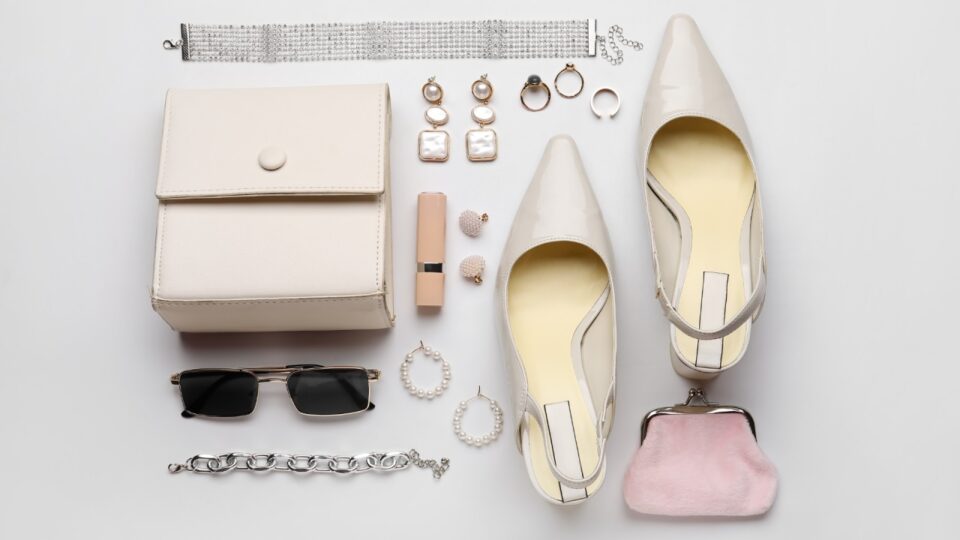
Understanding the Significance of Accessories
Accessories are the ultimate style enhancers that transform clothing into a complete, expressive look. In the modern fashion industry, they are not merely decorative; they are strategic elements that define individuality, elevate outfits, and communicate a person’s personality. Whether it’s a timeless wristwatch, a bold necklace, or a structured handbag, accessories give dimension and intention to what you wear. They bridge the gap between fashion and function, offering both aesthetic value and practicality.
Fashion experts often describe accessories as the punctuation marks of personal style. Just as punctuation changes the tone of a sentence, accessories alter the overall impact of an outfit. A minimal white dress, for instance, can be transformed from casual to elegant with the simple addition of pearls or a sleek belt. The modern fashion landscape relies heavily on these finishing touches to craft looks that are versatile, expressive, and tailored to diverse lifestyles.
The Historical Evolution of Accessories
Throughout history, accessories have served as indicators of social status, culture, and personal identity. In ancient civilizations, jewelry, headpieces, and footwear symbolized hierarchy and power. The Renaissance era introduced opulent accessories such as embroidered gloves and jeweled brooches that reflected wealth and craftsmanship.
In the 20th century, accessories became tools of self-expression rather than social classification. The post-war period saw an explosion of creativity, with scarves, hats, and handbags becoming symbols of individuality. Today, the function of accessories extends far beyond fashion trends—they serve as reflections of personality, heritage, and lifestyle choices. Modern fashion integrates accessories to create cohesive narratives around identity and design.
The Functional and Aesthetic Duality of Accessories
Accessories are powerful because they operate on two levels—practicality and visual enhancement.
- Functional role: Items such as belts, sunglasses, and watches serve specific purposes while maintaining stylistic appeal. A belt defines shape and structure, sunglasses provide protection, and watches embody both utility and sophistication.
- Aesthetic role: Beyond function, accessories create visual balance, introduce texture, and add contrast. They guide the eye, break monotony, and offer a chance to experiment with patterns, metals, and colors.
The modern fashion philosophy values versatility. For example, a minimalist handbag not only carries essentials but also adds proportion and structure to an outfit. Similarly, a scarf or hat can alter the entire tone of a look, demonstrating how small details have significant impact.
The Psychological Influence of Accessories
Accessories do more than decorate; they influence how individuals feel and how others perceive them. Psychologists link accessories to self-expression and confidence-building. Wearing accessories that align with one’s personality or mood creates a sense of authenticity and empowerment.
This concept, known as enclothed cognition, suggests that what we wear—including our accessories—affects our mindset. A person wearing a luxury watch or distinctive jewelry piece often feels more composed and capable. Similarly, sentimental accessories such as family heirlooms or personalized charms can evoke comfort and emotional connection.
In professional environments, accessories play an essential role in establishing credibility and confidence. A well-chosen tie clip, sleek leather belt, or refined pair of earrings subtly communicates attention to detail—an attribute that translates to professionalism.
How Accessories Define Personal Identity
Personal style is often distinguished not by clothing, but by accessories. They serve as signatures of taste and individuality. The way someone layers necklaces, chooses footwear, or pairs bags with outfits speaks volumes about their aesthetic philosophy.
- Minimalists favor clean lines, muted tones, and understated metals.
- Eclectics mix bold patterns, vintage elements, and contrasting textures.
- Classics rely on timeless items such as pearl studs, leather belts, and gold watches.
Accessories become identifiers—recognizable traits that help define a person’s visual identity.
Accessories in Professional and Social Contexts
The right accessories can shift an outfit from casual to professional, or from daywear to evening elegance. In the workplace, they help maintain balance between personality and professionalism.
- For formal settings: Opt for subtle jewelry, neutral-colored handbags, and quality watches. These convey sophistication without distraction.
- For creative environments: Express individuality through statement pieces, unique textures, or bold eyewear.
- For social events: Choose accessories that align with occasion and mood—a clutch for elegance, layered bracelets for festive energy, or silk scarves for refinement.
Modern professionals often use accessories as tools of communication. A distinctive tie, artistic brooch, or well-crafted pen can become conversation starters that reflect personality without compromising decorum.
The Role of Accessories in Gender Expression
Accessories have evolved as important instruments of gender expression in fashion. Historically divided between masculine and feminine aesthetics, the modern accessory market celebrates fluidity and inclusivity. Men’s fashion now embraces jewelry, scarves, and bags, while women adopt structured watches and unisex eyewear styles.
This shift represents a broader cultural transformation where accessories transcend gender norms. Instead of adhering to predefined roles, individuals now choose items that resonate with their personal style, not societal expectation. This fluidity has redefined the global fashion narrative, making accessories symbols of freedom and authenticity.
The Economic and Cultural Value of Accessories
Accessories also hold immense cultural and economic value. They sustain craftsmanship traditions, support local artisans, and contribute to the growth of fashion economies worldwide. Handmade jewelry, woven scarves, and bespoke leather goods preserve heritage techniques while adapting to modern trends.
Culturally, accessories carry symbolic weight. A wedding ring signifies commitment, a graduation stole represents achievement, and a national-patterned scarf can express pride in heritage. These items connect fashion with emotion, turning wearable art into storytelling mediums.
The Modern Trend: Minimalism and Sustainability
Sustainability has reshaped how accessories are designed, purchased, and worn. Consumers are shifting toward minimalist and ethical choices—investing in fewer but higher-quality pieces that last longer. Sustainable accessories often use eco-friendly materials like recycled metals, organic fibers, and plant-based leather alternatives.
Minimalism encourages curation over accumulation. It emphasizes meaningful selection and mindful styling. A capsule wardrobe of versatile accessories—a neutral tote, classic watch, simple hoops, and elegant scarf—can adapt across multiple outfits and occasions without compromising style. This approach aligns with conscious consumerism and long-term fashion value.
The Future of Accessories in Fashion Innovation
Technology is redefining the future of accessories. Smart jewelry tracks health metrics, 3D printing allows for personalized designs, and sustainable materials are reshaping production. As digital lifestyles evolve, wearable technology blurs the line between fashion and function.
Even with technological integration, the essence of accessories remains human—rooted in emotion, artistry, and individuality. Whether crafted by hand or generated by advanced materials, accessories continue to symbolize creativity and self-expression. The fusion of innovation with design ensures that accessories remain timeless components of modern fashion.
FAQs About Accessories in Modern Fashion
1. Why are accessories important in modern fashion?
Accessories add identity and depth to personal style. They enhance outfit coordination, reflect personality, and elevate visual appeal without requiring a complete wardrobe overhaul.
2. How can I choose the right accessories for my style?
Identify your aesthetic preferences—minimalist, classic, or bold—and select pieces that align with them. Focus on color harmony, material quality, and proportional balance to achieve a cohesive look.
3. What’s the best way to build an accessory collection?
Start with essentials such as a quality watch, neutral handbag, elegant jewelry, and versatile belt. Gradually add unique items that reflect your lifestyle and taste.
4. Are sustainable accessories a better investment?
Yes, sustainable accessories last longer, reduce environmental impact, and often feature superior craftsmanship. They represent a conscious choice for both fashion and the planet.
5. Can accessories influence first impressions?
Absolutely. Accessories signal attention to detail, creativity, and self-awareness. A thoughtfully chosen piece can make you appear more polished and confident in any setting.
Accessories are not just additions—they are the visual language of style. In modern fashion, they represent identity, emotion, and purpose, proving that the smallest details often make the strongest impressions.
